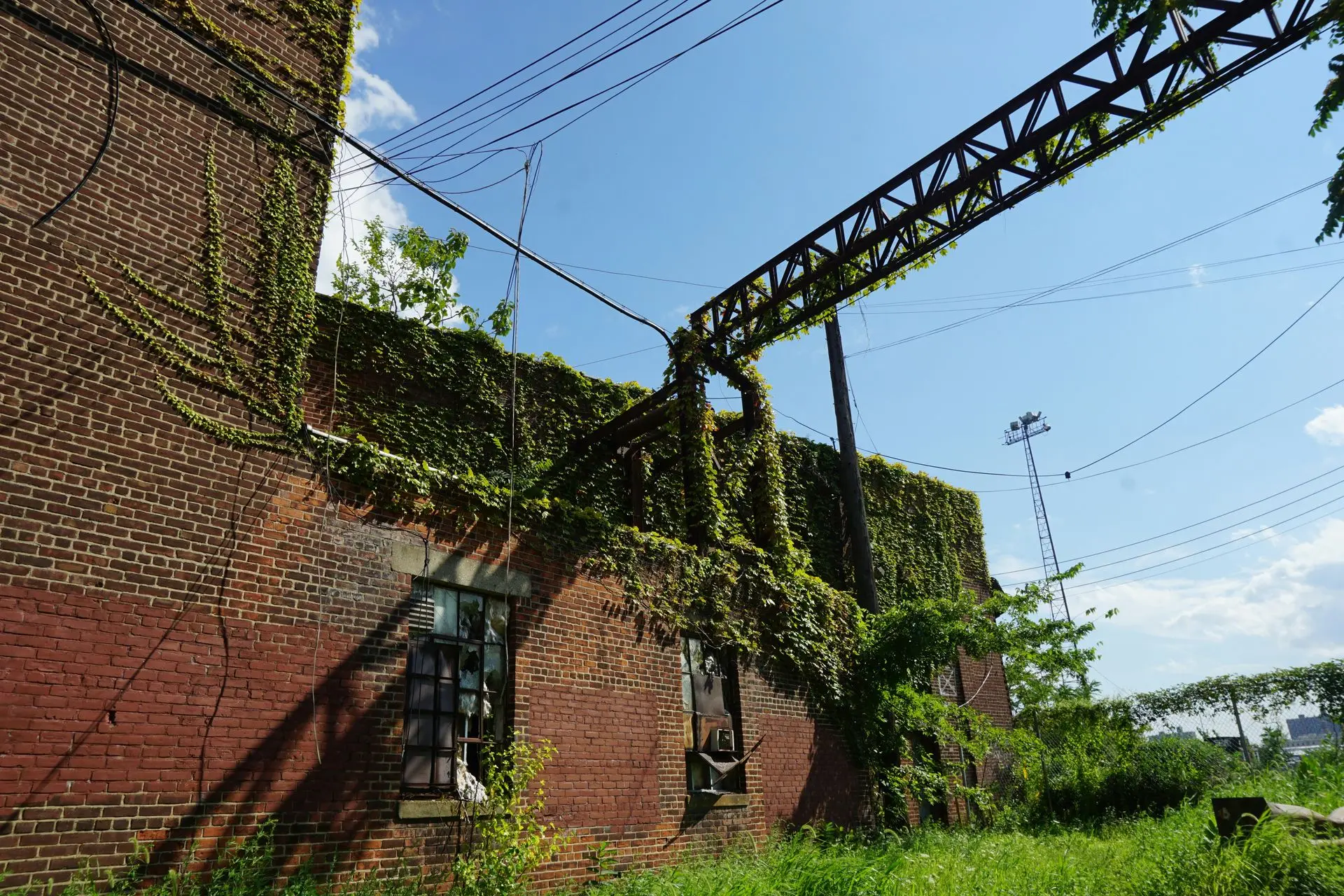
Not every building gets saved. The question of which ones do is more political than it appears.
The listed building, the protected monument, the designated heritage asset: these categories exist in most developed countries as mechanisms for preventing the demolition of buildings considered to have sufficient architectural, historical, or cultural significance to warrant protection from the normal operations of the property market. The principle is straightforward. The practice of deciding which buildings fall into these categories is anything but.
Government bodies make listing decisions, advised by expert panels, using criteria meant to be objective but that inevitably reflect the values and blind spots of the people who apply them. In Britain, where the listed buildings system was established in 1947, the criteria for listing include architectural interest and historic interest, with special weight given to buildings by important architects and buildings associated with significant historical events or figures. These criteria sound neutral. They are not.
The architectural canon from which listing decisions have historically drawn their judgments of architectural interest has been dominated by the work of white male architects working in the European tradition. Buildings that fall outside this tradition, buildings from non-Western architectural cultures, buildings produced by women architects, buildings associated with working-class or minority communities, have been systematically under-represented in heritage lists not because they lack significance but because the criteria and the experts who apply them have not, until recently, been designed to recognise that significance.
The Twentieth Century Society in Britain has campaigned for decades for the listing of postwar buildings, many of which have been threatened with demolition before they are old enough to have accumulated the patina of historical distance that makes older buildings easier to appreciate. The campaign has had notable successes: the Barbican in London, Robin Hood Gardens before its demolition, the Park Hill estate in Sheffield, the Hayward Gallery on the South Bank. It has also had notable failures. Enormous quantities of postwar architecture, social housing in particular, has been demolished without serious consideration of its architectural or historical significance, because the buildings were associated in the public mind with social problems that were not of their making.
The designation of heritage status is also, inevitably, a reflection of whose history is considered worth preserving. The industrial heritage of the north of England, the working-class housing of Victorian cities, the vernacular architecture of rural communities: all of these have been protected, where they have been protected at all, relatively recently and after significant losses. The Georgian townhouses of Bath and the country houses of the aristocracy were protected earlier and more thoroughly, because the people making the designation decisions were more likely to share the cultural values that those buildings represented.
This is changing, slowly. Recent additions to heritage lists in Britain and elsewhere have begun to reflect a broader understanding of whose architecture matters: the first mosque to be listed in England, former industrial buildings associated with the histories of immigrant communities, buildings designed by women architects who were previously invisible in the heritage record. The change is real, but it follows decades of loss that cannot be recovered.
The listing system also creates, in places, a form of architectural paralysis. Listed buildings cannot be significantly altered, which can make it difficult to bring them into uses that would ensure their long-term survival. The fine balance between protection and productive use is one of the central challenges of heritage management, and it is not always struck correctly.
What is rarely asked, in the public debate about which buildings should be saved, is the question of which demolitions the future will most regret. The buildings that were demolished in the 1950s and 60s to make way for urban renewal, many of which were later recognized as significant works of Victorian and Edwardian architecture, were not considered worth saving at the time. The buildings being demolished today, considered unremarkable by current consensus, may be the ones that the 2070s will wish had been kept.
Heritage designation is always a judgment made in the present about the past, filtered through the values and blind spots of the present moment. The most honest thing that can be said about it is that it will always be incomplete, always contested, and always, in retrospect, partly wrong.
The question is not whether the system is perfect. It is whether we are saving enough of the right things. The evidence suggests we are not.